
7 Meaningful Coming of Age Ceremony Ideas for Secular Families
Creating powerful rites of passage that honor your teen’s journey into young adulthood—without religious tradition
Your baby is turning 13. Or 16. Or 18.
And you realize: there’s no ceremony for this. No way to mark this massive transition from childhood to young adulthood. No ritual to say “we see you becoming someone new, and we honor this threshold.”
Religious families have bar and bat mitzvahs, quinceañeras, confirmations. These ancient rituals mark the passage with community witness, symbolic actions, and words that carry weight.
But what do secular families do?
We create something new. Something that honors who your teen is becoming while celebrating the journey that brought them here. Something that says: this moment matters, you matter, and we’re here to witness your emergence into the world as a young adult with agency, depth, and purpose.
In This Guide:
Why Coming of Age Ceremonies Matter (Even Without Religion)
Your teen is navigating one of the hardest developmental stages of human life. They’re forming identity, testing values, questioning everything they’ve been taught, feeling emotions with an intensity they’ve never experienced before.
They’re caught between two worlds: not a child anymore, but not quite an adult yet.
This liminal space—this threshold—is disorienting. Our culture doesn’t help. We have no clear markers. No moment when we say “you have crossed over” with the weight of community witness behind it.
But humans need these markers. We always have. Anthropologists have found coming of age rituals in virtually every culture throughout history. These ceremonies serve crucial purposes:
- They create clarity in an ambiguous time (you are becoming an adult)
- They offer validation from the community (we see who you’re becoming)
- They provide guidance from elders (here’s wisdom for the road ahead)
- They establish belonging (you are part of something larger than yourself)
- They mark memory (this moment will be remembered always)
Secular families deserve access to this same transformative power. Your teen deserves a ceremony that honors their becoming—whether or not you belong to a religious tradition.
What Makes a Secular Coming of Age Ceremony Meaningful?
The most powerful secular coming of age ceremonies share these elements:
✓ Teen Agency: Your teen helps design the ceremony. This is happening WITH them, not TO them.
✓ Community Witness: Important adults gather to see, acknowledge, and support your teen’s transition.
✓ Authentic Expression: The ceremony reflects your family’s actual values—not borrowed traditions that don’t fit.
✓ Symbolic Action: Physical rituals that make the internal transition externally visible and memorable.
✓ Intergenerational Connection: Elders share wisdom, teens receive guidance, community pledges support.
✓ Personal Story: The ceremony reflects who THIS teen actually is—their interests, struggles, gifts, and emerging values.
Now, let’s explore seven powerful ceremony structures you can adapt for your family.
1. The Letter Ceremony
What It Is
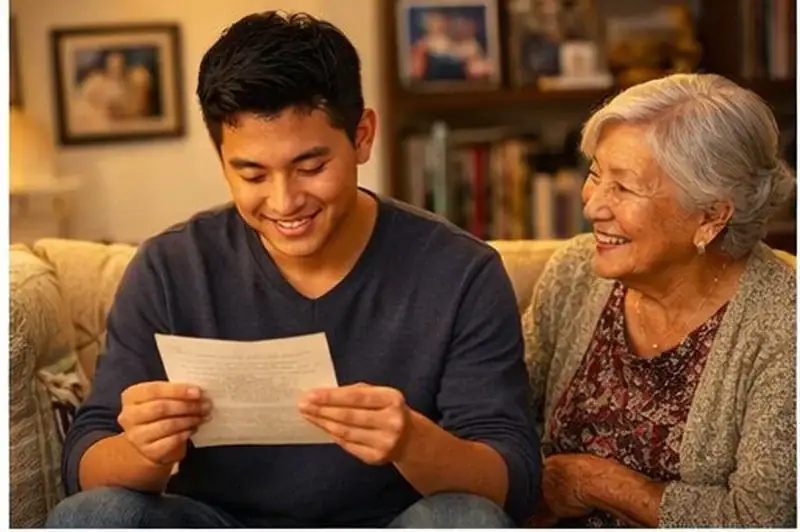
Parents, grandparents, and chosen mentors write letters to the teen about what they see in them, what they hope for their future, and what wisdom they want to share for the road ahead.
Letters are either read aloud during the ceremony or presented in a beautifully bound book (or both). The teen receives tangible proof—in writing, in the voices of people who matter—that they are seen, valued, and believed in.
Why It Works
For teens: Getting a letter that says “I see these specific qualities in you” is powerful. Not generic praise (“you’re great!”) but concrete observations (“I notice how you…”). These letters become touchstones teens return to throughout their lives, especially during hard moments.
For adults: Writing forces you to articulate what you see clearly. You can’t hide behind vague encouragement. You have to find the words for what makes this particular teen remarkable.
For the family: These letters document who your teen is at this threshold moment. Years later, you’ll read them and remember.
How to Adapt It
Simple Version (45 minutes):
- 4-5 pre-selected people write letters
- Letters read aloud during ceremony
- Teen receives letters in simple binder
- Ceremony focuses on listening and receiving
Extended Version (90 minutes):
- 10-15 people write letters
- 5-6 letters read aloud (selected by teen)
- All letters bound in professional-quality keepsake book
- Teen responds after hearing letters
- Include photos of teen through the years alongside letters
Creative Variations:
- Letters written to “future you” (opened on 18th birthday, or 21st, or 25th)
- Video letters recorded and compiled into film
- Letters written in multiple languages (for multilingual families)
- Teen writes letter to their own younger self
- Letters address specific fears teen has shared
Maya’s 16th Birthday Letter Ceremony
Maya’s parents knew their daughter struggled with confidence, despite excelling at school and leadership roles. For her 16th birthday, they asked eight adults in Maya’s life to write letters addressing the question: “What do you see in Maya that she might not see in herself yet?”
Her grandmother wrote about Maya’s gift for making people feel heard. Her volleyball coach wrote about her quiet courage in facing setbacks. Her mother’s college roommate wrote about how Maya’s questions during their conversations showed wisdom beyond her years.
When her grandmother read her letter aloud—voice breaking as she described watching Maya comfort a younger cousin at a family funeral—Maya cried. “I didn’t know you saw that,” she whispered.
Three years later, when Maya faced rejection from her first-choice college, she reread those letters. “They reminded me,” she said, “that I’m more than my achievements. They saw me.”
The letters sit on her bookshelf now. She’s 19, away at her second-choice college (which turned out to be perfect), and she says she rereads them whenever she doubts herself.
Getting Started
Who Should Write Letters:
- Parents (separate letters, not joint)
- Grandparents or great-grandparents
- Aunts, uncles, godparents
- Parents’ close friends who’ve known teen since childhood
- Teachers, coaches, or mentors
- Older siblings or cousins (if close relationship)
- Family friends your teen has chosen as “honorary” family
Letter Prompts:
- What I see in you that you might not see in yourself yet…
- A moment when I watched you demonstrate [quality]…
- I hope you know that you are…
- As you step into young adulthood, I want you to remember…
- One piece of wisdom I wish I’d known at your age…
Timeline: Give letter writers 3-4 weeks to write thoughtfully.
2. The Skill Passage Ceremony

What It Is
Your teen demonstrates a skill they’ve mastered—a musical performance, athletic achievement, art presentation, culinary creation, technical project, or any other competency they’ve developed.
This isn’t just “show and tell.” It’s a ceremonial acknowledgment that your teen has moved from student to practitioner, from “child who is learning” to “young adult who can create, contribute, and teach.”
Why It Works
Competence builds confidence. When teens demonstrate mastery in front of their community, they’re proving to themselves (and everyone watching) that they’re capable. That they can set goals and achieve them. That they have something valuable to offer.
Teens need to be seen as capable, not just “cute” or “good kids.” This ceremony says: “You have skills. You have value. You can do hard things.”
How to Adapt It
Performance-Based:
- Musical recital (solo or with band/ensemble)
- Dance performance (choreographed specifically for ceremony)
- Theatrical monologue or scene
- Poetry reading (original work)
- Stand-up comedy set
Creation-Based:
- Cooking full meal for guests
- Art installation or gallery showing
- Written work presentation
- Coding project demonstration
- Video/film premiere
- Photography exhibition
Physical Achievement:
- Martial arts demonstration
- Athletic performance
- Wilderness skill demonstration
- Rock climbing accomplishment
Service-Based:
- Teaching something to younger children
- Leading community in new skill
- Presenting research or learning project
- Demonstrating repair/building skills
Jordan’s 14th Culinary Coming of Age
Jordan loved cooking but was intensely shy about speaking in front of groups. When his parents suggested a coming of age ceremony, he panicked—until they asked: “What if you let your cooking speak?”
For Jordan’s 14th birthday ceremony, he planned and prepared a full five-course meal for 20 family members. He spent weeks perfecting recipes, learning techniques, and practicing timing.
On the day of the ceremony, guests gathered in the backyard. Jordan’s father opened with a brief welcome, then Jordan emerged from the kitchen to explain each course as he served it. He was nervous but focused—more comfortable talking about what he made than being praised for who he is.
As he served the final dessert (a chocolate soufflé that required precise timing and technique), his grandfather stood up. “When Jordan was six,” he said, “he asked me to teach him to make pancakes. Today, he’s teaching us what it means to create something beautiful and share it with people you love. This is what it means to become an adult: to discover what you can offer, and to give it generously.”
Jordan didn’t give a speech. His cooking spoke for him. But everyone who was there understood: they’d witnessed a threshold crossing.
Getting Started
Choose a Skill That:
- Teen has been developing for at least 6-12 months
- Teen feels genuinely confident in (not “still learning”)
- Can be meaningfully demonstrated in 10-20 minutes
- Reflects something important about who teen is becoming
- Teen wants to demonstrate (not parent’s dream)
Ceremony Structure:
- Brief introduction by parent (why this skill matters)
- Teen demonstrates or presents (10-20 minutes)
- Teen reflects on what learning this taught them (5 minutes)
- Community responds with affirmation
- Symbolic gift related to skill
Warning: This only works if teen is genuinely into it. Don’t force a shy teen to perform if they’re terrified. Adapt to their comfort level.
3. The Mentor Circle Ceremony
What It Is
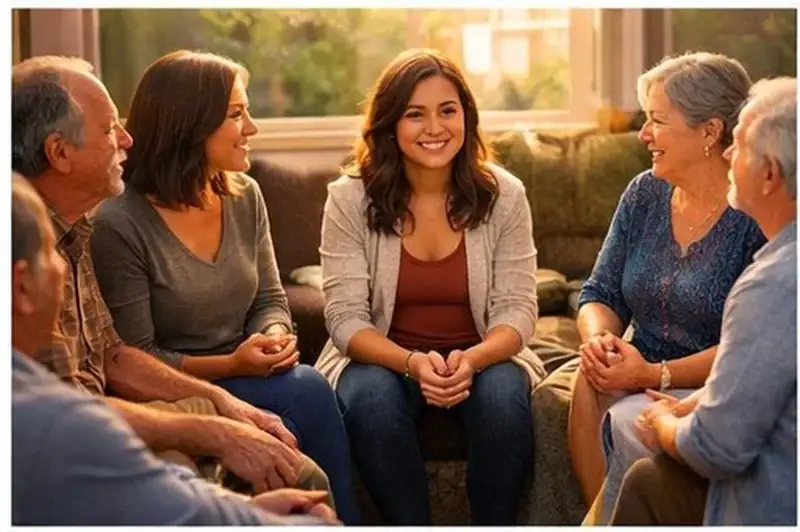
Your teen chooses 5-7 adults (not parents) who have influenced their life in meaningful ways. These mentors gather in a circle with the teen at the center. Each mentor speaks directly to the teen about what they see in them and offers guidance for the journey ahead.
This ceremony expands the teen’s sense of support beyond immediate family. It says: you have a village. You are not alone. These adults are invested in your flourishing.
Why It Works
Teens need to hear affirmation from voices beyond their parents. When a coach, teacher, family friend, or aunt says “I see greatness in you,” it lands differently than when parents say it.
It builds a support network your teen knows they can call on. These mentors have publicly pledged their investment in your teen’s life.
It honors the African proverb: “It takes a village to raise a child.” This ceremony makes that village visible and explicit.
How to Adapt It
Simple Version (60 minutes):
- 5 mentors, each speaks for 5 minutes
- Parents facilitate but don’t speak (their turn comes at the end)
- Teen listens, receives, then responds briefly
- Closing circle where everyone speaks one hope/blessing for teen
Extended Version (90+ minutes):
- 7-10 mentors, each speaks for 3-4 minutes
- Teen asks each mentor one specific question
- Mentors give teen symbolic gifts representing their relationship
- Teen writes letter to each mentor beforehand, read aloud during ceremony
- Shared meal afterward where conversations continue
Creative Variations:
- Some mentors present in person, others via video message
- Teen chooses mentors from different life areas
- Mentors speak in pairs (two perspectives on same quality)
- Include one mentor who is close to teen’s age
Alexis’s 15th Mentor Circle
When Alexis turned 15, her parents asked her to identify adults (not parents) who’d shaped her life. She named seven people: her soccer coach, middle school art teacher, mother’s best friend, father’s colleague, grandmother, youth group leader, and older cousin.
Each mentor spoke for 4 minutes. Her coach talked about watching Alexis overcome a major injury. Her art teacher shared how Alexis’s work showed both technical skill and emotional depth. Her father’s colleague described Alexis asking questions that engineers twice her age should be asking.
But the most powerful moment came from her mother’s best friend, who said: “Alexis, I’ve watched you since you were a baby. Your mother and I have been friends for 20 years. And I want you to know: if you ever need an adult to talk to about something you can’t talk to your parents about—anything, no judgment—you call me. That’s my promise to you today.”
Three years later, when Alexis faced a difficult situation at school, she remembered that promise. She called. Her mother’s friend kept her word.
Getting Started
Choosing Mentors:
- Let teen choose (this is their village)
- Include diversity of perspectives
- Mix family and non-family adults
- Include at least one person teen can talk to about things they can’t tell parents
- Consider people from different life seasons
Preparing Mentors:
Send mentors this guidance:
You’ve been chosen as one of [Teen]’s mentors for their coming of age ceremony. This is a significant honor.
Your role: Speak directly to [Teen] for 3-5 minutes about:
- What you see in them (specific qualities, not generic praise)
- How you’ve watched them grow
- One piece of guidance or wisdom for their journey ahead
- Your commitment to continue being present in their life
Avoid: Embarrassing stories, advice about what you wish you’d done, speaking to the room instead of to [Teen], going over 5 minutes
4. The Values Declaration Ceremony
What It Is
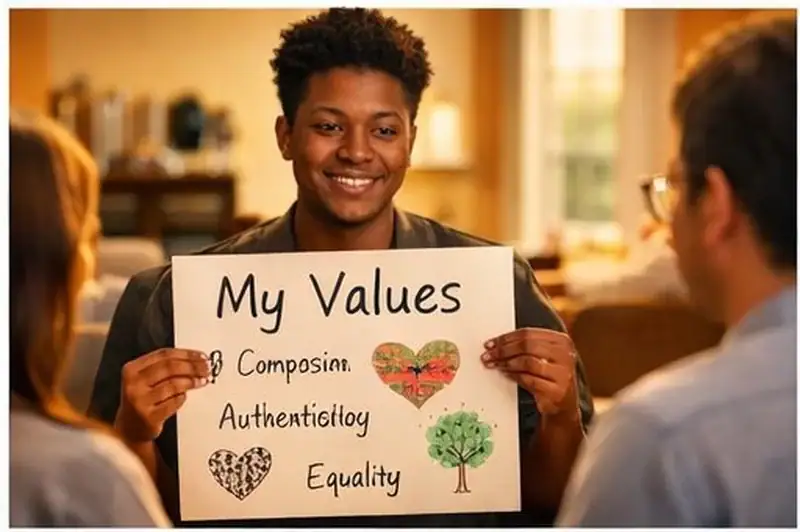
Your teen articulates their core values—what matters most to them, what kind of person they want to become, what principles will guide their decisions. The family and community witness this declaration and commit to supporting the teen in living according to these values.
This isn’t parents imposing values. This is the teen claiming their own. The ceremony makes their internal compass externally visible.
Why It Works
Adolescence is identity formation time. Teens are figuring out who they are separate from their parents. Articulating values helps clarify that emerging identity.
Values create accountability. When you’ve publicly declared “I value honesty,” it’s harder to lie. When you’ve said “I value courage,” it’s easier to be brave. The community can remind you: “Remember what you said you valued?”
It shifts power dynamics. Instead of parents saying “you should value hard work,” the teen says “I value excellence” and parents respond “we’ll support that.”
How to Adapt It
Simple Version (30 minutes):
- Teen writes 3-5 core values on cards
- Teen reads each value aloud and explains why it matters
- For each value, one family member responds with how they’ll support it
- Values cards displayed in teen’s room afterward
Extended Version (60 minutes):
- Teen creates full values statement or manifesto
- Teen presents values and tells stories of when they lived them
- Family discusses how these values align with family values
- Symbolic action for each value (light candle, plant seed, place stone)
- Teen receives object representing their values commitment
Creative Variations:
- Teen designs personal flag or symbol representing their values
- Family co-creates values tree
- Teen chooses quote or motto representing each value
- Values written in beautiful calligraphy and framed
- Teen creates art piece embodying their values
River’s 13th Values Declaration
River was non-binary, creative, and deeply concerned about environmental justice. When their parents suggested a coming of age ceremony, River initially resisted: “That sounds really cis and heteronormative.”
Their parents listened, then asked: “What if you designed the whole ceremony around who you actually are and what you actually care about?”
River created a values manifesto. At their ceremony, they read it aloud:
“I value authenticity because I’ve spent too much of my life pretending. I value creativity because making art is how I make sense of the world. I value environmental responsibility because the planet is burning. I value justice because too many people don’t get to be safe and seen. And I value chosen family because the people in this room chose to love me exactly as I am.”
After each value, River performed a symbolic action: planted a seedling, lit a candle, displayed their artwork, donated to an LGBTQ+ youth organization, and invited everyone to sign a poster pledging support.
River’s parents responded: “We commit to supporting you in living these values, even when it challenges us.”
River, now 15, still has that signed poster. When things get hard, they read those signatures.
Getting Started
Helping Teen Identify Values:
Ask your teen these questions (don’t rush, give them time):
- When do you feel most like yourself?
- What makes you angry or upset? (often reveals values)
- Who do you admire, and why?
- What would you want people to say about you?
- If you could change one thing about the world, what would it be?
- What are you willing to get in trouble for defending?
Common Teen Values:
Authenticity, creativity, courage, loyalty, justice, kindness, honesty, independence, adventure, learning, environmental responsibility, family, friendship, service, excellence, humor, peace
5. The Heritage Journey Ceremony
What It Is
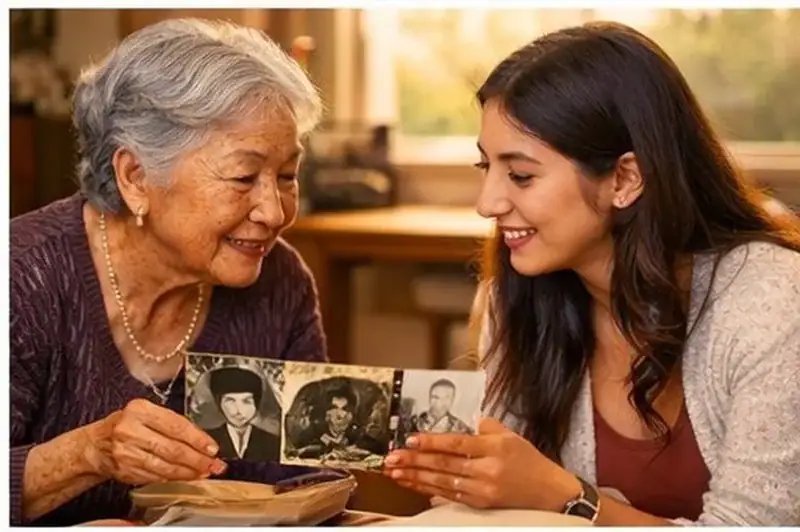
Family members share stories of ancestors, cultural traditions, immigration journeys, family history, and the values/struggles that shaped previous generations. The teen learns where they come from to understand where they’re going.
This ceremony grounds teens in something bigger than themselves. It says: You are part of a story that began long before you and will continue long after you.
Why It Works
Teens need roots to grow wings. Understanding family history—including struggles, resilience, values passed down—gives teens a sense of belonging and purpose.
It’s especially powerful for:
- Immigrant families (connecting teens to heritage they might be losing)
- Blended families (weaving multiple family stories together)
- Adopted teens (honoring both biological and adoptive family stories)
- Families reclaiming cultural roots after generations of assimilation
It creates intergenerational connection. Grandparents become storytellers. Elders become wisdom-keepers. Teens see themselves as continuation of a legacy.
How to Adapt It
Simple Version (45 minutes):
- 3-4 elders each tell one family story
- Stories focus on resilience, values, or pivotal moments
- Teen receives family heirloom or symbolic object
- Closing: Teen reflects on how this history shapes them
Extended Version (90+ minutes):
- Multiple generations tell stories
- Include photos, artifacts, family recipes
- Teen receives multiple heirlooms
- Cultural elements: food, music, language from heritage
- Teen creates art/writing piece responding to family stories
Creative Variations:
- Family tree ceremony (plant actual tree while sharing stories)
- Recipe exchange (each generation shares signature dish)
- Language ceremony (teach teen phrases in ancestral language)
- Migration map (trace family’s geographic journey)
- Skills passage (elder teaches teen traditional skill)
Mei’s 16th Heritage Journey
Mei’s parents immigrated from China before she was born. Mei grew up American—English-dominant, disconnected from extended family overseas, sometimes embarrassed by her parents’ accents and traditions.
For her 16th birthday, her parents invited her grandparents (who barely spoke English) to lead a heritage ceremony. Through a cousin who translated, Mei’s grandmother told the story of walking three days to escape during wartime, carrying baby Mei’s mother on her back. “I walked so you could run,” she said.
Mei’s grandfather shared how he’d been a teacher in China but worked in a restaurant kitchen in America. “I served food so your mother could go to college. She became an engineer so you could become anything.”
Mei’s mother presented her with her grandmother’s jade bracelet. “She wore this when she walked for three days. I wore it at my college graduation. Now you wear it, and remember: you carry their strength.”
Mei cried. “I didn’t know,” she kept saying. “I didn’t know.”
That ceremony changed how Mei saw herself. She started Mandarin lessons. She asked questions. She stopped being embarrassed by her parents’ accents—instead, she heard courage in those sounds.
At 18, when she wrote her college essay, she wrote about three generations of women: the one who walked, the one who studied, and herself—the one who remembers.
Getting Started
Ask Elders These Questions:
- Tell me about your childhood
- What was the biggest challenge your generation faced?
- What did your parents teach you that you want passed down?
- What are you most proud of in our family?
- What do you want [teen’s name] to know about where they come from?
- Is there a family object/heirloom that has a story?
If Family History Includes Trauma:
- Don’t sugarcoat, but frame as resilience, not just pain
- “Our family survived…” not “Our family was destroyed by…”
- Acknowledge hard parts without making ceremony heavy with grief
- Let teens know: you come from survivors
For Adoptive Families:
- Honor both biological heritage (if known) and adoptive family heritage
- “You carry two stories” or “multiple stories”
- Let teen lead on how much to explore biological history
- Adoptive family history is real history too
6. The Challenge Overcome Ceremony

What It Is
Your teen reflects on a significant challenge they’ve faced—illness, loss, learning disability, mental health struggle, social difficulty, family crisis, personal failure—and how they grew through it. The ceremony reframes struggle as part of the hero’s journey, not something to hide.
This ceremony says: You have been tested, and you have grown. Your scars are part of your story, not something to be ashamed of.
Why It Works
Teens often feel alone in their struggles. Social media shows everyone else’s highlight reel. This ceremony says: “We all face hard things. Overcoming them is what makes us strong.”
It builds resilience identity. When teens can say “I survived that and here’s what I learned,” they develop confidence for future challenges. “I got through that, I can get through this.”
It removes shame. When you speak openly about mental health, learning differences, family struggles, etc., you tell your teen: “These are not shameful secrets. These are part of your story.”
How to Adapt It
Simple Version (30 minutes):
- Teen shares their “before/during/after” story
- Focuses on growth and learning, not trauma details
- Family affirms: “We watched you become stronger”
- Symbolic action: releasing something
Extended Version (60 minutes):
- Teen creates art, writing, or video about their journey
- Family members share how they witnessed the teen’s resilience
- Others who’ve faced similar challenges speak
- Teen receives symbol of their strength
- Ritual marking “before” and “after”
Creative Variations:
- Hero’s journey narrative structure
- Physical challenge symbolizing emotional challenge
- Ceremony that includes person who helped teen through
- Time capsule: letter to self in midst of struggle
Marcus’s 17th Anxiety Recovery Ceremony
Marcus had always been “the smart kid”—until 10th grade, when anxiety hit hard. Panic attacks before tests. Sleepless nights. His grades dropped. He had to take medical leave from school.
For a year, Marcus worked with a therapist. Slowly, he learned coping skills. He returned to school part-time, then full-time. By 17, he was managing his anxiety well enough to look toward college.
His parents suggested marking this recovery journey with a ceremony. Marcus was hesitant—”I don’t want to make a big deal about being broken”—until his therapist reframed it: “You’re not broken. You faced something hard and you learned to navigate it. That’s worth celebrating.”
At his ceremony, Marcus shared what the hardest year of his life taught him:
“I learned that asking for help isn’t weakness. I learned that my brain sometimes lies to me, and I can question those lies. I learned that I’m stronger than I thought. And I learned that you guys”—he looked at his parents—”loved me even when I couldn’t function the way I used to.”
His father, voice breaking, responded: “We always loved you. But watching you fight through this, watching you get help, watching you rebuild yourself—we’re so damn proud of you.”
Marcus’s little sister gave him a smooth stone she’d found at the beach. “For when you need to remember,” she said. “You’re solid. Even when things shake.”
Marcus kept that stone in his pocket through his first year of college. Whenever anxiety spiked, he’d reach for it. Remembering: I’ve done hard things before. I can do this too.
Getting Started
Important Considerations:
Only do this if:
- ✅ Teen is ready to share (not in crisis, has processed the challenge)
- ✅ Teen wants to do this (not parent’s idea)
- ✅ Focus is on growth and learning, not trauma re-telling
- ✅ Appropriate support in place
Don’t do this if:
- ❌ Teen is still in acute crisis
- ❌ Challenge involves ongoing abuse or danger
- ❌ Teen finds it retraumatizing to discuss publicly
- ❌ Family members might shame or minimize teen’s experience
Challenges That Work:
- Mental health recovery (anxiety, depression, eating disorder)
- Learning disability accommodations and success
- Physical illness or injury recovery
- Loss or grief processed
- Social difficulties overcome
- Family transition navigated
- Personal failure and comeback
7. The Threshold Crossing Ceremony

What It Is
A physical ritual where the teen literally crosses from one space to another, symbolizing their transition from childhood to young adulthood. This could be walking through a doorway, crossing a bridge, climbing to a mountain peak, walking a labyrinth—any physical movement that makes the internal transition externally visible.
Symbolic action creates memory. Years later, your teen will remember the moment they crossed that threshold. Their body remembers what their mind might forget.
Why It Works
Humans are embodied creatures. We need physical rituals to mark internal shifts. We need to do something, not just say something.
Threshold crossing appears across cultures because it works. Walking from one space into another, stepping across a line, moving from darkness to light—these actions communicate to our deepest self: something has changed.
It creates a clear “before and after.” Your teen can point to a moment and say: “That’s when I crossed over.”
How to Adapt It
Simple Version (15 minutes):
- Create threshold in your home (doorway decorated, line on floor)
- Parents stand on “childhood” side
- Teen walks through/across
- Family on “young adult” side welcomes them
- Brief words spoken on each side
Extended Version (60+ minutes):
- Journey to meaningful location (mountain, forest, beach, bridge)
- Teen walks path alone (parents follow at distance)
- Ceremony happens at threshold point
- Return together (teen now leads the way)
Creative Variations:
- Sunrise ceremony (teen crosses threshold as sun rises)
- Water crossing (wade across stream)
- Fire threshold (walk between two fires)
- Bridge ceremony
- Labyrinth walk
- Mountain summit
- Garden gate
The Chen Family’s Sunrise Mountain Ceremony
When their daughter Lily turned 18, the Chen family drove to a mountain they’d hiked many times when Lily was young. They started hiking at 4 AM, reaching the summit just before dawn.
Lily’s parents stayed back as Lily walked the final steps to the peak alone. She stood at the summit as the sun broke the horizon, turning the sky gold and pink. Her parents watched from below.
When the sun fully rose, they climbed up to meet her.
Her mother said: “When you were little, we carried you up this mountain. Today, you led us. From now on, when we face hard climbs, we’ll follow your lead.”
Her father handed her a compass. “You know the way now. Trust yourself.”
They took a photo at the summit: Lily in front, parents behind her. The reversal was intentional. The symbolism was clear.
On the hike down, Lily walked first. Her parents followed. When they reached uncertain terrain, they asked: “What do you think, Lily? Which path?”
Lily, now 23, has that photo framed in her apartment. She says: “That mountain ceremony marked something real. After that day, my parents started treating me differently. They asked my opinion. They trusted my judgment. It wasn’t just a ceremony—it actually changed our relationship.”
Getting Started
Choosing Your Threshold:
At Home:
- Front door (teen leaves house, returns as young adult)
- Gate in backyard
- Doorway between two rooms
- Line drawn across floor
- Candles marking passage
In Nature:
- Mountain peak or hilltop
- Bridge over water
- Forest path with clearing at end
- Beach where tide goes out
- Sunrise location
- Rock formation with natural archway
Public/Community Spaces:
- Labyrinth (churches, parks, retreat centers)
- Public bridge
- Botanical garden with gates/archways
- Trail with scenic overlook
- Beach at dawn
Ceremony Structure:
- Gathering: Everyone arrives at starting point
- Opening: Parents explain what’s about to happen
- Childhood Side: Brief words about who teen has been
- The Crossing: Teen walks/climbs/crosses
- Young Adult Side: Welcome and affirmation
- Symbol/Gift: Teen receives something marking this crossing
- Return: Family returns together (teen leading)
Symbolic Objects for Crossing:
- Key (to home, to car, to their own future)
- Compass (direction-finding)
- Candle or flashlight (bringing light)
- Seeds (planting new things)
- Stone cairn (leaving mark)
- Walking stick (journey ahead)
- Journal (writing their own story now)
How to Choose & Combine These Ceremonies
You’ve now explored seven powerful coming of age ceremony structures. But which one is right for YOUR teen? And can you combine them?
Start With Your Teen
The most important question isn’t “What ceremony do I want?” but “What would feel meaningful to MY teen?”
Consider Your Teen’s Personality:
- Introverted/Private: Letter Ceremony, Threshold Crossing (smaller gathering)
- Extroverted/Social: Mentor Circle, Heritage Journey (loves community)
- Creative/Artistic: Skill Passage, Values Declaration (chance to create)
- Reflective/Deep: Challenge Overcome, Values Declaration (internal work made visible)
- Active/Physical: Skill Passage (athletic), Threshold Crossing (movement-based)
Your Teen’s Comfort Level:
- Loves spotlight: Skill Passage, Values Declaration
- Hates spotlight: Letter Ceremony, Threshold Crossing
- Somewhere between: Mentor Circle, Heritage Journey
Your Family’s Style:
- Small/Intimate family: Any ceremony works, scale to 5-15 people
- Large extended family: Heritage Journey, Mentor Circle
- Scattered geographically: Letter Ceremony, recorded messages
- Blended/Complex: Values Declaration, Heritage Journey
Combining Ceremonies
Most families combine 2-3 elements. Here are proven combinations:
Combination #1: Letters + Threshold Crossing
- Teen reads letters at starting point (childhood side)
- Uses wisdom from letters as they cross threshold
- Carries letter book into young adulthood side
Combination #2: Mentor Circle + Values Declaration
- Mentors speak about what they see in teen
- Teen responds by declaring their own values
- Shows how community shapes (but doesn’t dictate) identity
Combination #3: Heritage Journey + Skill Passage
- Elders share family stories and traditions
- Teen demonstrates skill passed down or newly developed
- Shows continuity and innovation
Combination #4: Challenge Overcome + Mentor Circle
- Teen shares struggle and growth story
- Mentors who supported teen through it speak
- Creates narrative of “we did this together”
Sample Combined Ceremony (90 minutes):
- Opening Welcome (5 min): Parent explains purpose
- Heritage Journey (15 min): Grandparent tells family story
- Letter Ceremony (20 min): 4-5 letters read aloud
- Teen Response (10 min): Teen reflects on what they’ve heard
- Skill Passage (15 min): Teen demonstrates mastery
- Values Declaration (10 min): Teen states 3-5 core values
- Threshold Crossing (5 min): Teen physically crosses doorway
- Closing Circle (10 min): Each person shares one word/blessing
- Celebration: Meal, cake, informal time
What Makes This Different from a Birthday Party?
You might be thinking: “This sounds like a lot. Why not just throw a nice birthday party?”
Because ceremony does something birthday parties don’t.
Birthday Party Says:
- You’re one year older
- Let’s celebrate with friends
- Cake, presents, fun
- Focuses on the day
Coming of Age Ceremony Says:
- You are becoming someone new
- Let’s witness this transformation
- We see who you’re becoming
- Focuses on the threshold
Both are valuable. Both are needed. But they serve different purposes.
Birthday party = celebration of life
Coming of age ceremony = acknowledgment of transformation
You can (and should!) do both. Have the ceremony with family and meaningful adults. Have the party with friends. They complement each other.
When Should You Do This?
Traditional Milestone Ages:
- 13: Entering teenage years (bar/bat mitzvah age)
- 16: Significant age in American culture (driving, more independence)
- 18: Legal adulthood
But Also Consider:
- Whenever your teen feels ready for more responsibility/freedom
- Before major transition (leaving for college, starting first job)
- After overcoming significant challenge
- When family is gathered (reunion, holiday, special trip)
- When teen asks for it (they might surprise you)
There’s no “perfect age.” The perfect time is when it feels right for YOUR teen and your family.
What If Your Teen Resists?
Some teens will love this idea immediately. Others will say: “That sounds weird,” or “Do we have to?” or “I don’t want a big thing.”
Listen to the resistance. It’s information.
If your teen is resistant:
Option 1: Start small
- “What if we just had dinner with grandparents and they told you some family stories?”
- “What if you and I went hiking and talked about what’s changing for you?”
- “What if a few of your mentors wrote you letters, no big ceremony?”
Option 2: Give them control
- “You design the whole thing. What would feel meaningful to YOU?”
- “Who would you want there?”
- “What would make this feel right instead of awkward?”
Option 3: Wait
- “Let’s revisit this in six months. No pressure.”
- Maybe they need to mature a bit more
- Maybe timing is wrong
- That’s okay
Option 4: Reframe it
- Not “coming of age ceremony” (sounds formal/religious)
- Call it: “Your special dinner” or “Your milestone weekend” or “Your grown-up celebration”
- Language matters
Don’t force it. A ceremony that feels forced won’t be meaningful. But also: teens often resist things they end up loving. Feel it out. Read your teen.
Getting Started: Your Next Steps
Ready to create a coming of age ceremony for your teen? Here’s how to begin:
Step 1: Have the Conversation (This Week)
- Share this article with your teen
- Ask: “What interests you? What sounds meaningful?”
- Listen more than you talk
- Let teen’s response guide you
Step 2: Choose Your Ceremony Elements (This Month)
- Select 1-3 ceremony components from this article
- Consider combining elements
- Match choices to teen’s personality and comfort level
- Involve teen in decisions
Step 3: Set Date & Invite Participants (6-8 Weeks Before)
- Choose meaningful date
- Invite mentors/family members
- Give people time to prepare (especially letter writers)
- Keep guest list to number teen can handle
Step 4: Plan Details (4-6 Weeks Before)
- Write ceremony script (or work with us to create one)
- Assign roles to participants
- Choose location and logistics
- Gather any needed materials
Step 5: Hold the Ceremony
- Trust the process
- Be present (not perfect)
- Let emotions happen
- Witness your teen’s becoming
Need Help Creating Your Teen’s Coming of Age Ceremony?
We specialize in helping secular families design meaningful rites of passage that honor who your teen truly is—without religious tradition or borrowed rituals that don’t fit.
Our coming of age ceremony services include:
- Custom ceremony script writing (Essential Script – $350)
- Professional ceremony delivery (Complete Experience – $750)
- Premium legacy ceremony with keepsakes (Legacy Collection – $1,200)
- Consultation on choosing/combining ceremony elements
- Guidance for families navigating complex dynamics
Whether you want to create the ceremony yourself using our custom script, or have our experienced celebrant deliver it for you, we’re here to help you mark this threshold in a way that feels authentically yours.
Explore Services View Pricing Free ConsultationThe Science & Cultural Heritage Behind Coming of Age
Why does marking this transition matter so deeply? Because it addresses fundamental human psychological needs that span cultures and centuries. Here are the research foundations and cultural traditions that inform these ceremony ideas:
The Psychological Foundation
🧠 Identity Development: Erik Erikson’s Foundation
Foundational psychologist Erik Erikson argued that the primary task of adolescence is resolving the conflict between Identity and Role Confusion. Without clear “confirmation” from their community that they’re growing up, teens can feel unmoored. A ceremony provides the “social mirror” they need to see themselves as capable young adults.
Learn more: Identity: Youth and Crisis (Internet Archive)
🌉 Navigating “Emerging Adulthood”: Dr. Jeffrey Jensen Arnett
Dr. Jeffrey Jensen Arnett’s groundbreaking research explains that the bridge to adulthood has become longer and more complex. His theory of Emerging Adulthood (ages 18-29) shows that young people today experience an extended “in-between” phase. By intentionally marking milestones during the teen years, you provide psychological anchors during this decade of transition.
Read the research: Emerging Adulthood: A Theory of Development (American Psychologist – Cited 38,000+ times)
Cultural Wisdom Across Time & Geography
🌏 The Universal Human Practice
Anthropologists have found that nearly every culture throughout history has marked the transition to adulthood with intentional ceremony. These rituals serve the same purpose: helping young people and their communities navigate change together.
🌸 Modern Secular Example: Japan’s Seijin no Hi
One of the most beautiful examples of secular coming-of-age celebration is Japan’s Coming of Age Day (Seijin no Hi), a national holiday held every January. When Japanese youth turn 20, they dress in traditional attire, attend ceremonies at city halls, and are formally welcomed into adult society. It’s government-sponsored, secular, and deeply meaningful—proof that modern societies can successfully honor this transition on a grand scale.
Learn about this tradition: Seijin no Hi – Coming of Age Day (Britannica)
📚 Finding Meaning Without Religion: Katherine Ozment
Katherine Ozment, author of Grace Without God, explores how families can answer the question “Who am I?” when they’ve moved beyond religious frameworks. Her work validates that “sacred” doesn’t have to mean “religious”—meaningful ritual can honor life transitions with depth and intention regardless of faith tradition.
Read more: Coming of Age in a Secular Era
🌍 Global Traditions Offer Wisdom
From Bar and Bat Mitzvahs to Brazilian Quinceañeras, from Native American Vision Quests to Apache Sunrise Ceremonies, cultures worldwide have developed beautiful ways to mark this transition. Each tradition offers wisdom we can adapt for our own families.
Explore global traditions: 13 Amazing Coming of Age Traditions From Around the World (Global Citizen)
What this means for your family: When you create a coming of age ceremony for your teen, you’re not inventing something new—you’re participating in a timeless human practice that psychology validates and cultures worldwide honor. You’re giving your teen what humans have always needed: a clear marker of growth, community recognition of their emerging capabilities, and a psychological anchor during transition.
The Complete Coming of Age Ceremony Series
This is Part 1 of our Coming of Age Ceremony series.
Continue reading: Part 2: 5 More Secular Rite of Passage Ideas for Modern Teens — Including wisdom councils, service projects, solo journeys, and more creative approaches to marking this threshold.
Now available: Part 3: How to Plan Your Teen’s Coming of Age Ceremony: Complete Guide — Step-by-step instructions for designing, writing, and executing a meaningful ceremony your teen will remember forever.