Ash Scattering — What You Need to Know
Ceremony and ritual support for honoring cremated remains
I offer ceremony and ritual support — I arrive as guide, witness, and facilitator at the location your family has chosen. The selection of that location, compliance with all applicable local, state, and federal regulations, and the obtaining of any required permits are the responsibility of your family.
I am not a permit service, a site scout, or a legal advisor. What I bring is the ceremony itself — the words, the ritual, the presence, and the care.
You do not need to have all the answers before we speak. This guide is here to orient you, not to overwhelm you. I will walk you through the process step by step — you will not be navigating this alone.
Choosing Your Location
The choice of setting belongs entirely to your family. You may already have a place in mind — somewhere your loved one cherished, or a landscape that simply feels right. Whatever you choose, I will bring the ceremony to you there.
As you consider locations, there are a few general principles worth holding:
- Public lands — national parks, state parks, open space preserves — typically require permits for ash scattering. The type and cost of permit varies by jurisdiction. Contact the managing agency directly to understand what is required.
- Private land requires permission from the landowner.
- Ocean scattering from a vessel is governed by EPA guidelines and requires advance notice. Scattering from shore or upland areas into ocean or tidal waters is generally not permitted under federal regulation.
- Inland waters — rivers, lakes, reservoirs, lagoons — are generally prohibited under California law and federal park regulations.
- Cremated remains must be fully pulverized before scattering on public lands governed by federal regulation.
Once your family has identified a location and confirmed all permit requirements with the appropriate agency, please let me know so I can begin shaping the ceremony to that specific setting and its atmosphere.
Locations Where Scattering Is Not Permitted
Within the Golden Gate National Recreation Area, certain sites are specifically excluded from ash scattering under federal regulation:
This list reflects current federal regulation but is not exhaustive. Always confirm with the managing agency before selecting any public land location.
A Word About Wind and the Choice of Vessel
This is something families rarely think about in advance, and it matters deeply to how the ceremony feels on the day.
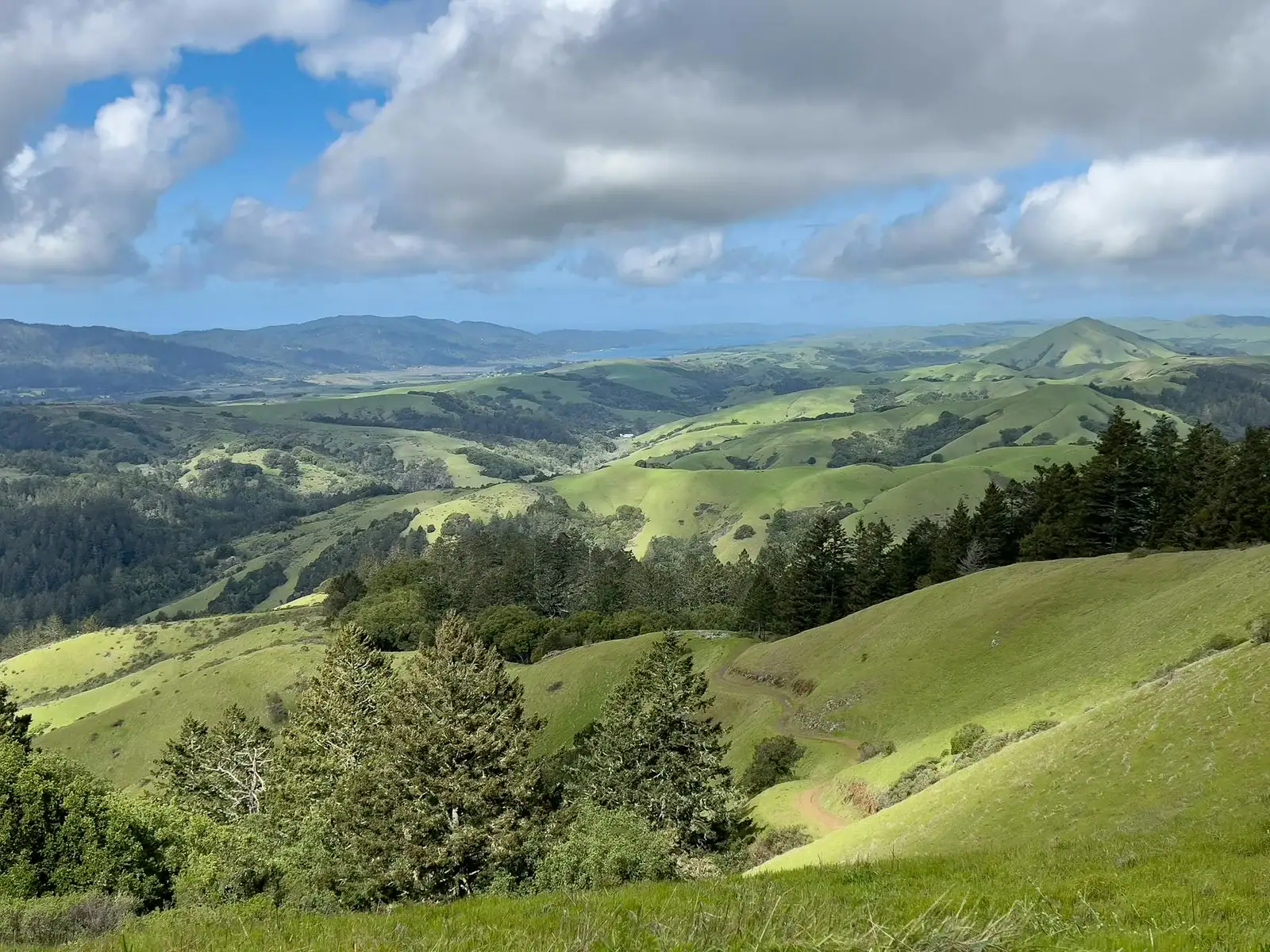
Ash scattering from coastal ridges or elevated open land means working with wind — sometimes significant wind. Without the right vessel, the ashes can be taken by the air before the family has a chance to feel the release as intentional and held. For many families, this is the most unsettling part of a ceremony that was otherwise peaceful.
Ashes should never be scattered from a ridge, cliff, or elevated area directly into ocean or tidal waters below — this is restricted under federal regulation regardless of the intent.
Permits — What Your Family Needs to Arrange
Permit requirements vary by location and jurisdiction. As a general guide:
- California Death Certificate / Permit for Disposition of Human Remains — issued by the county registrar through your funeral home or cremation provider. You should already have this. Bring it with you on the ceremony day, particularly if the location is on federal or state land.
- Location-specific permits — required by most public land agencies. Permit names, fees, and processes vary by jurisdiction and by the specific parcel of land. Contact the agency that manages your chosen location to confirm exactly what is required and how far in advance to apply.
- Timing — some permits require advance processing time. Begin this process as soon as your location is confirmed.
By proceeding with our ceremony together, your family confirms that you have obtained all required permits and accept responsibility for compliance with applicable regulations at your chosen location. I am not responsible for permit compliance or regulatory violations.
What I Will Bring to the Day
As we work through the details together, I will help you identify which agency to contact for the permit specific to your chosen site. From there, I will shape a ceremony specific to your loved one, your family, and the landscape you have chosen.
- A custom-written ceremony script that honors your loved one’s unique story
- Spoken words, readings, and ritual elements suited to the setting and the gathering
- The Tingsha bells and, where appropriate, the Tongue Drum — sound that marks the threshold of the ceremony
- Calm, grounded presence to hold the space so your family can be fully present
- Guidance on how the scattering itself can be woven into the ceremony as a ritual act
This moment belongs to your family and to the one you loved.
I am honored to be the one who helps make it ceremony.