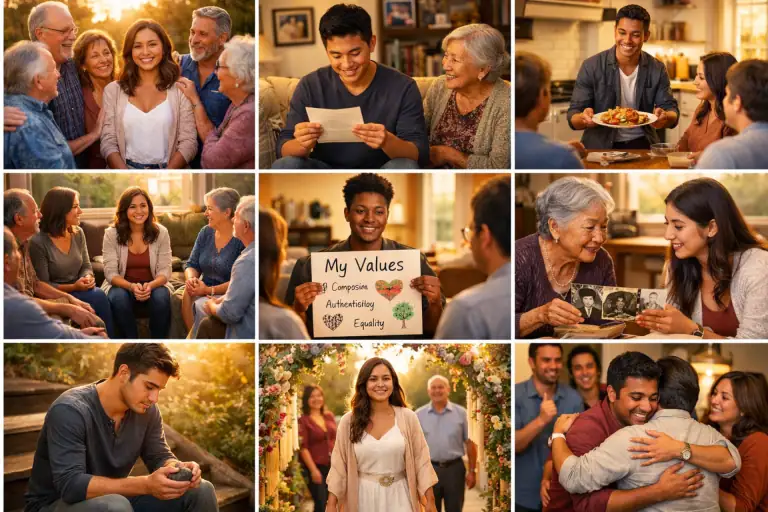

Coming of Age Ceremony for Teens: Creating Meaningful Transitions to Adulthood
In This Guide: Learn how to plan a coming of age ceremony for teens that celebrates your teenager’s growth, strengthens family bonds, and marks this important transition with intention and love.
🌟 Quick Take: Why a Coming of Age Ceremony for Teens Matters
The Challenge: In our modern world, teenagers often lack clear markers that acknowledge their transition from childhood to young adulthood.
The Solution: A coming of age ceremony for teens provides families with intentional moments that celebrate growth, acknowledge new responsibilities, and strengthen family bonds during what can be a challenging developmental period.
The Result: Teenagers who experience a meaningful coming of age ceremony for teens show greater confidence, clearer values, and stronger family connections.
Why a Coming of Age Ceremony for Teens Matters More Than Ever
Planning a coming of age ceremony for teens acknowledges the deeper transformation happening within your teenager, unlike birthday parties that simply mark the passage of time. Every coming of age ceremony for teens should recognize this meaningful transition.
What These Ceremonies Recognize:
🌱 Increased Independence and decision-making abilities
💭 Developing Values and personal beliefs
🤝 Growing Responsibility within family and community
✨ Emerging Identity as a young adult
Research Insight: Teenagers who feel connected to family traditions and values navigate adolescence with greater confidence and resilience.
🎯 The Family Connection Factor
A thoughtfully planned coming of age ceremony for teens creates powerful opportunities for:
| Benefit | How It Helps |
|---|---|
| Meaningful Conversation | Dedicated time away from daily distractions |
| Family Wisdom Sharing | Opportunity to pass down values and stories |
| Extended Family Support | Space for grandparents, aunts, uncles to offer guidance |
| Lasting Memories | Positive associations during a pivotal time |
✨ Popular Coming of Age Ceremony Ideas
🏔️ The Vision Quest Adaptation
Inspired by Native American traditions, adapted for modern families
What It Includes:
- Period of reflection and goal-setting
- Time spent in nature or meaningful locations
- Sharing of personal insights with family
- Presentation of symbolic gifts representing adult responsibilities
💌 The Letters of Wisdom Ceremony
Creating a treasure trove for future milestones
Family Members Write Letters For:
- High school graduation
- College departure
- First job
- Future wedding day
Pro Tip: Include instructions for the teen to write a letter to their future 25-year-old self!
🤲 The Service Project Celebration
Centering the ceremony around community service
How It Works:
- Teen chooses a cause they’re passionate about
- Family participates in service together
- Ceremony includes reflection on values and purpose
- Recognition of the teen’s developing social consciousness
🎨 The Skills and Knowledge Presentation
Teen demonstrates new capabilities they’ve developed
Examples Include:
- Cooking a complete family meal
- Teaching younger siblings a new skill
- Presenting research on family heritage
- Sharing artistic or musical achievements
🔄 Religious vs. Secular Coming of Age Options
Traditional Religious Ceremonies
Many families appreciate established traditions:
| Tradition | Age | Focus |
|---|---|---|
| Bar/Bat Mitzvah | 13 | Jewish tradition, Torah study |
| Confirmation | 14-16 | Christian traditions, faith commitment |
| Quinceañera | 15 | Latina tradition, community celebration |
Secular Coming of Age Alternatives
For families seeking non-religious options:
🎯 Personal Values Ceremonies – Focus on ethics and character
🌍 Heritage Celebrations – Honor cultural background without religious elements
🏆 Achievement Ceremonies – Recognize academic, artistic, or athletic milestones
🔮 Future Visioning Ceremonies – Help teens articulate goals and dreams
📋 How to Plan Your Teen’s Coming of Age Ceremony
Step 1: Include Your Teen in Planning
Key Principle: Unlike childhood celebrations, adolescent passage ceremonies work best when teens are active participants in the planning process.
Essential Questions to Ask:
- What aspects of growing up are you most excited about?
- What values and traditions matter most to our family?
- How comfortable are you with public speaking or participation?
- Who would you want to include in this celebration?
Step 2: Choose Meaningful Elements
🏡 Location Options
- Family Home – Intimate gatherings, familiar comfort
- Outdoor Spaces – Parks, beaches, gardens for natural beauty
- Significant Places – Grandparents’ home, family cabin, special locations
- Community Centers – Larger celebrations with extended family
🎪 Ceremony Elements
✅ Opening words about the significance of this transition
✅ Family members sharing wisdom or advice
✅ Teen speaking about their goals and values
✅ Presentation of meaningful gifts
✅ Closing celebration with favorite foods and music
Step 3: Create Lasting Memories
📸 Professional Photography – Capture the moment
📖 Written Ceremony Script – Preserve the words spoken
💝 Memory Book – Messages from family and friends
⏰ Time Capsule – To be opened at age 25 or 30
📝 Sample Coming of Age Ceremony Script Elements
Opening Words
“Today we gather to honor [Teen’s Name] as they step forward into young adulthood. This ceremony isn’t about an age they’ve reached, but about the person they’re becoming and the values that will guide their journey ahead.”
Family Wisdom Sharing
Each family member offers:
- 💡 A piece of advice for navigating challenges
- 📖 A family story that illustrates important values
- 🌟 A hope or dream for the teen’s future
- 🤝 A commitment to continued support
Teen’s Response
The young person shares:
- 🪞 What they’ve learned about themselves recently
- 🎯 Goals they have for their future
- 🌍 Ways they want to contribute to family and community
- 💕 Appreciation for family support
Symbolic Gift Presentation
| Gift Type | Examples | What It Represents |
|---|---|---|
| Responsibility | House key, credit card | Trust and independence |
| Heritage | Family jewelry, photo albums | Connection to family history |
| Future | College fund, professional tools | Investment in their dreams |
| Independence | Travel voucher, car keys | Freedom and opportunity |
⭐ The Benefits of Custom Ceremony Scripts
While DIY ceremonies can be meaningful, many families find value in working with professional ceremony writers who specialize in secular coming of age rituals.
✅ What Professional Scripts Offer:
Expert Structure
- Balanced pacing that maintains engagement
- Age-appropriate language and concepts
- Smooth transitions between ceremony elements
- Built-in flexibility for family customization
Personalized Content
- Integration of family history and values
- Recognition of the teen’s unique interests and achievements
- Acknowledgment of family dynamics and relationships
- Culturally sensitive approaches for blended families
Reduced Stress
- No need to worry about finding the right words
- Professional guidance on ceremony length and flow
- Support for families who aren’t comfortable with public speaking
- Backup plans for emotional moments
Family Testimonial: “Our daughter’s coming of age ceremony was incredibly meaningful. The script acknowledged her growth while honoring our family traditions. She felt truly seen and celebrated.” — Jennifer R., Denver, CO
📅 When to Hold Coming of Age Ceremonies
🎂 Traditional Ages
- Age 13 – Following Jewish tradition of Bar/Bat Mitzvah
- Age 15 – Honoring Latina Quinceañera tradition
- Age 16 – Marking driving privileges and increased independence
- Age 18 – Celebrating legal adulthood
🏆 Milestone-Based Timing
- High school graduation
- First job or volunteer commitment
- Eagle Scout or Gold Award achievement
- Completion of a significant personal challenge
👨👩👧👦 Family-Specific Timing
- When the teen expresses interest in adult responsibilities
- During a family reunion when extended family can attend
- At the start of senior year in high school
- When family circumstances allow for focused celebration
🏠 Creating Inclusive Ceremonies for Modern Families
Blended Families
Coming of age ceremonies can help strengthen bonds:
✅ Include both biological and step-parents in planning
✅ Acknowledge the teen’s relationship with all family members
✅ Create new traditions that honor the unique family structure
✅ Use the ceremony to reinforce family unity and support
Single-Parent Families
Single parents can create powerful ceremonies that:
✅ Highlight the strong bond between parent and teen
✅ Include extended family, friends, or mentors in meaningful roles
✅ Celebrate the teen’s resilience and independence
✅ Acknowledge the parent’s dedication and sacrifices
Adopted Children
For adopted teens, coming of age ceremonies can:
✅ Honor both birth heritage and adoptive family traditions
✅ Celebrate the journey that brought the family together
✅ Acknowledge questions about identity and belonging
✅ Strengthen the teen’s sense of security and acceptance
📈 The Long-Term Impact of Coming of Age Ceremonies
💬 Improved Family Communication
Families who create intentional coming of age ceremonies often report:
- More open communication about values and expectations
- Increased teen willingness to seek advice during challenges
- Stronger sense of family identity and belonging
- Better navigation of conflicts during remaining teenage years
🌟 Enhanced Self-Esteem
Teenagers who experience meaningful passage ceremonies tend to show:
- Greater confidence in decision-making
- Clearer sense of personal values and goals
- Increased willingness to take on responsibilities
- Better preparation for adult relationships and challenges
🔄 Lasting Family Traditions
Many families find that creating one coming of age ceremony leads to:
- Continued tradition with younger siblings
- Annual check-ins or milestone celebrations
- Extended family adoption of similar practices
- Stronger connection to family heritage and values
🚀 Getting Started: Planning Your Coming of Age Ceremony for Teens
🤔 Questions to Consider
- What values are most important to your family?
- How does your teen prefer to be celebrated?
- Which family members and friends should be included?
- What traditions from your heritage might be meaningful to incorporate?
- How can this ceremony strengthen your family’s bond?
💼 Professional Support Options
Whether you choose to create your own ceremony or work with a professional ceremony writer, remember that the most important element of any coming of age ceremony for teens is genuine recognition of your teenager’s growth and potential.
A professionally written coming of age ceremony for teens can provide the structure and eloquence that help families navigate this meaningful transition with confidence and grace.
🎯 Conclusion: Honoring the Journey to Adulthood
In a world where teenagers often feel misunderstood or undervalued, a coming of age ceremony for teens provides families with powerful opportunities to pause, reflect, and celebrate the remarkable transformation happening right before their eyes.
Remember: A coming of age ceremony for teens doesn’t just mark a birthday or graduation—it acknowledges the deeper work of becoming an adult: developing values, taking responsibility, and finding one’s place in the world.
Whether your family chooses a simple backyard gathering or an elaborate celebration, the most important elements are intention, love, and recognition of your teenager’s unique journey toward adulthood.
📞 Ready to Plan Your Coming of Age Ceremony for Teens?
Our custom ceremony scripts help families create a meaningful coming of age ceremony for teens with words that capture the significance of the moment and the love that surrounds it.
Schedule a Consultation | Explore All Our Services | View Our Pricing
📚 Related Resources Coming Soon
- Blog: “Blending Family Traditions: Creating Ceremonies for Modern Families”
- Guide: “The Importance of Ritual in Teen Development”
- Resources: “Creating Family Traditions That Last: Beyond Birthday Parties”